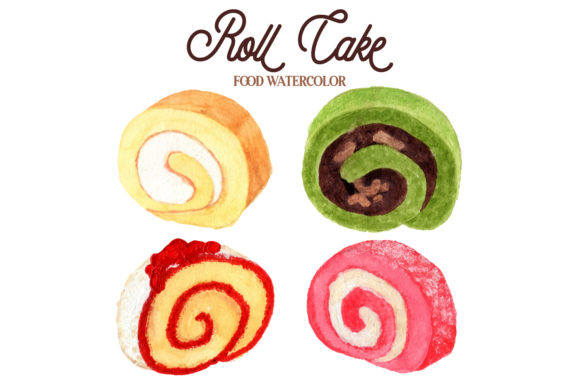
Roll Cake 1: A Versatile Design Asset for Creators and Businesses
Roll Cake 1 is a digital design resource that offers a range of file formats, including AI, EPS, SVG, and PNG. It’s ideal for graphic designers, marketers, and content creators who need high-quality, scalable assets for various projects. Whether you're working on branding, web design, or print materials, Roll Cake 1 provides flexibility and professional results. However, understanding its features and limitations is essential to make the most of it.
What Is Roll Cake 1 and Why Does It Matter?
Roll Cake 1 is more than just a visual asset—it’s a tool that can enhance your creative workflow. The AI (Adobe Illustrator) format allows for easy editing and customization, while EPS (Encapsulated PostScript) ensures compatibility with a wide range of design software. SVG (Scalable Vector Graphics) makes it perfect for web use, as it maintains clarity at any size, and PNG (Portable Network Graphics) offers high-quality raster images suitable for both online and print applications.
For professionals and hobbyists alike, Roll Cake 1 represents a valuable addition to a digital toolkit. Its versatility means it can be used in multiple contexts, from social media posts to product packaging. However, the key to success lies in understanding how to choose and apply these files effectively.
Common Mistakes When Working With Roll Cake 1
Despite its benefits, many users encounter issues when working with Roll Cake 1. One common mistake is not checking the file format requirements for their specific project. For example, using an SVG file in a design program that doesn’t support vector graphics can lead to poor quality or unexpected results. Similarly, applying a PNG without considering resolution can cause blurriness in print materials.
Another frequent error is overlooking the licensing terms. Some users assume that all digital assets are free to use, but this isn’t always the case. Failing to verify the usage rights can result in legal complications, especially if the design is used commercially without proper authorization.
Additionally, some people may download Roll Cake 1 without considering its relevance to their work. A design that looks great in isolation might not fit well with existing branding or layout structures. This can lead to inconsistencies and a lack of professionalism in the final output.
How These Mistakes Can Impact Your Work
Choosing the wrong file format can significantly affect the usability of Roll Cake 1. If you’re designing a website and use an EPS file instead of an SVG, you may face compatibility issues that require additional time and effort to fix. This can slow down your workflow and increase costs, especially if you need to hire a designer to adjust the file.
Ignoring licensing agreements can also have serious consequences. Using a design without proper permission can lead to copyright infringement claims, which can damage your reputation and result in financial penalties. This is particularly important for businesses that rely on original content to build trust with their audience.
Finally, not aligning Roll Cake 1 with your brand or project goals can lead to a disjointed visual identity. A design that doesn’t match your existing style or messaging can confuse your audience and reduce the effectiveness of your communication.
Practical Tips for Using Roll Cake 1 Effectively
To avoid these pitfalls, start by clearly defining your needs before downloading Roll Cake 1. Ask yourself: What will I use this for? Which file formats are required? What are the licensing terms? Taking a few minutes to answer these questions can save you time and frustration later on.
When selecting a file, consider the platform where it will be used. For web projects, SVG is often the best choice due to its scalability and small file size. For print, PNG or EPS may be more appropriate, depending on the level of detail required. Always test the file in your intended environment to ensure it works as expected.
Before using Roll Cake 1 in a commercial context, review the license agreement carefully. Many assets come with restrictions on modification, redistribution, or resale. If you’re unsure, reach out to the provider for clarification. This step can prevent costly mistakes down the line.
Lastly, integrate Roll Cake 1 into your overall design strategy. Ensure that it complements your brand’s visual language and supports your messaging. If necessary, make adjustments to fit your unique needs. This approach helps maintain consistency and enhances the overall impact of your work.
What to Check Before Making a Decision
Before finalizing your use of Roll Cake 1, take the following steps:
- Verify file compatibility: Confirm that the chosen format works with your design software and intended application.
- Review licensing details: Understand the terms of use to avoid legal issues, especially for commercial projects.
- Assess relevance: Ensure the design aligns with your brand, project goals, and audience expectations.
- Test the file: Use it in a sample project to check for quality, scalability, and performance.
Taking these precautions can help you make informed decisions and maximize the value of Roll Cake 1 in your creative process.
Conclusion: Make Informed Choices With Roll Cake 1
Roll Cake 1 offers a powerful set of tools for designers and creators, but its success depends on how it’s used. By avoiding common mistakes, understanding your needs, and following best practices, you can unlock its full potential. Whether you're a beginner or an experienced professional, taking the time to evaluate and apply Roll Cake 1 thoughtfully can lead to better results, greater efficiency, and improved satisfaction in your work.